
Vedic astrology, also known as Jyotish, is an ancient system of astrology that dates back over 5,000 years in India. Rooted in the Vedas, the sacred scriptures of Hinduism, Vedic astrology provides deep insights into an individual’s life, personality, and destiny. Unlike Western astrology, which primarily focuses on the Sun sign, Vedic astrology takes into use this page the entire birth chart, including the Moon, planets, and their positions relative to the 12 zodiac signs. In this guide, we will explore the fundamental components of a Vedic birth chart, how to interpret it, and what it can reveal about you.
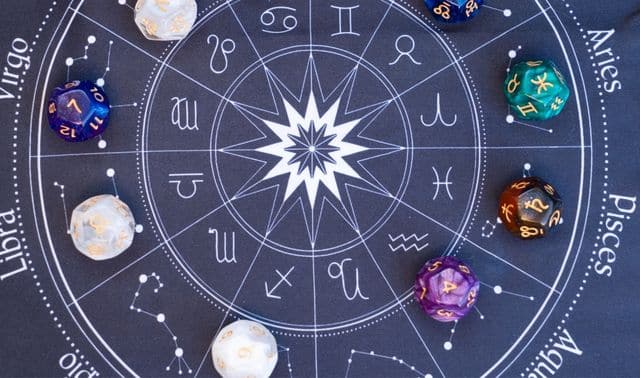
At the heart of Vedic astrology is the concept of the Janma Kundali, or birth chart, which is a map of the sky at the exact moment of your birth. This chart consists of twelve houses, each representing different areas of life such as career, relationships, health, and spirituality. The planets, including the Sun, Moon, Mars, Venus, and others, are placed within these houses, each influencing a specific aspect of your life. The position of each planet in the zodiac signs at the time of birth is crucial in determining your traits, challenges, and life path.
One of the most important elements in Vedic astrology is the Moon’s position in your birth chart. Unlike Western astrology, where the Sun sign plays a central role, Vedic astrology places much greater emphasis on the Moon. The Moon is believed to govern the mind and emotions, and its placement can give profound insights into your emotional landscape, mental tendencies, and overall well-being. Understanding your Moon sign can help you navigate emotional challenges, enhance self-awareness, and foster emotional growth.
The ascendant, or Lagna, is another key feature of your birth chart in Vedic astrology. It is the sign that was rising on the eastern horizon at the time of your birth. The ascendant represents your outward personality, how others perceive you, and the overall energy that you project into the world. The planet ruling your ascendant sign plays a crucial role in shaping your external life and the way you interact with others. The ascendant provides a lens through which you can better understand your public image and your approach to life.
In addition to the planets and signs, Vedic astrology also utilizes the Dasha system, a unique method of timing that divides a person’s life into periods ruled by different planets. Each planetary period, known as a Dasha, influences various aspects of life, such as career, relationships, and health. By understanding which planet is currently influencing your life through the Dasha system, you can gain valuable insights into the opportunities and challenges you may face during specific phases of your life. This helps you plan and prepare for major life transitions, making Vedic astrology a powerful tool for self-discovery and personal growth.
Finally, while Vedic astrology can reveal many aspects of your life, it is important to remember that it is not deterministic. Instead, it serves as a guide to understanding your potential, strengths, and weaknesses. By studying your birth chart, you can gain clarity on your life path and make informed decisions that align with your true self. However, free will still plays a vital role in shaping your destiny. Vedic astrology is not about predicting an unchangeable future but about offering a roadmap for navigating life’s journey with greater awareness and purpose.
In conclusion, Vedic astrology offers a profound and holistic approach to understanding yourself and your life’s journey. By unlocking the secrets of your birth chart, you can gain valuable insights into your personality, relationships, career, and emotional well-being. Whether you seek answers about your destiny or simply want to understand yourself better, Vedic astrology provides a unique and ancient framework for self-discovery. Embrace its wisdom and allow it to guide you on the path to personal growth and fulfillment.
