
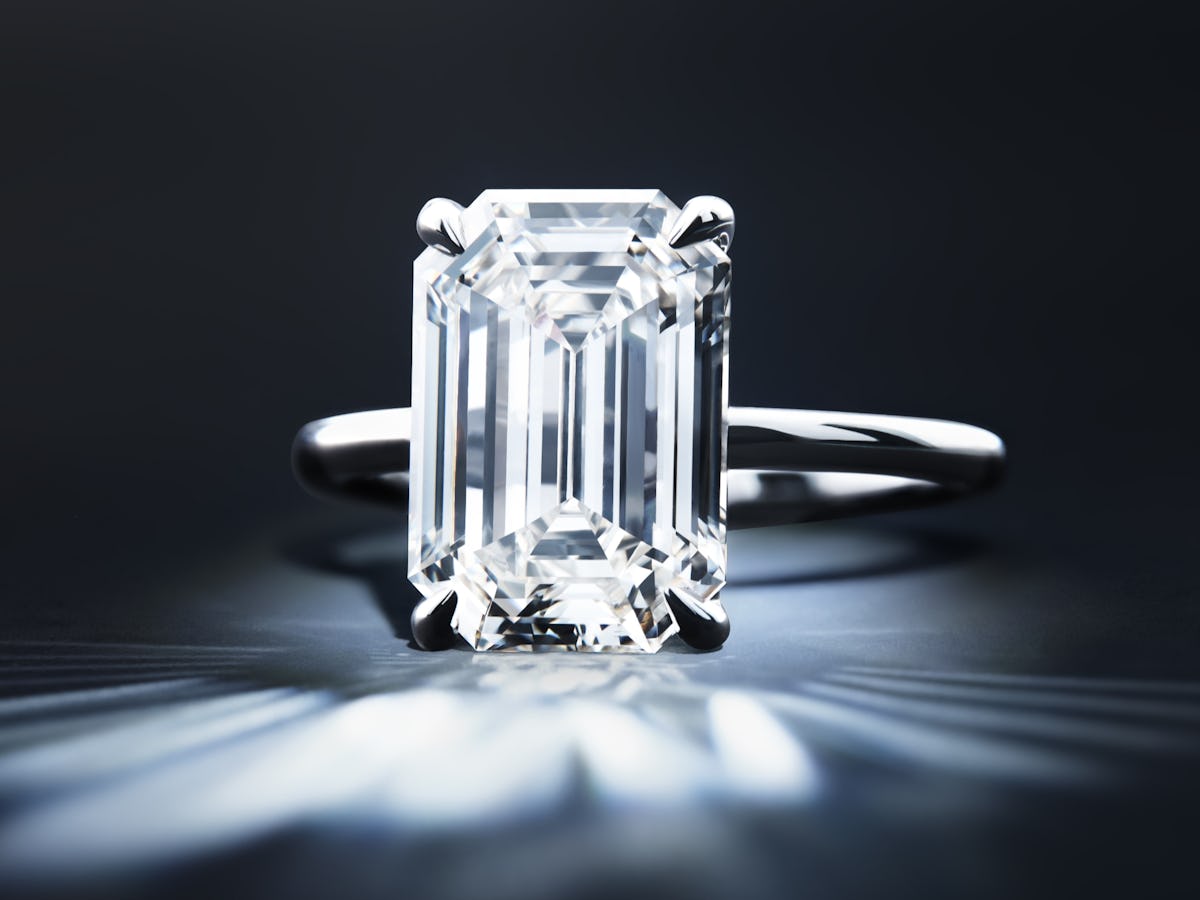
In recent years, the jewelry industry has seen a significant shift toward ethical practices, particularly regarding the sourcing and production of engagement rings. As more couples seek to express their love through an engagement ring that reflects their values, the discussion around ethical considerations becomes increasingly relevant. Georgian engagement rings, with their unique aesthetic and historical significance, are no exception to this trend. This article will explore the ethical considerations associated with Georgian engagement rings, focusing on sourcing materials, craftsmanship, and the cultural implications of these timeless pieces.
Sourcing Materials Responsibly
One of the primary ethical concerns in the jewelry industry is the sourcing of materials. Georgian engagement rings, which date back to the 18th and early 19th centuries, often feature gemstones like diamonds, emeralds, and sapphires. Historically, these stones may have been mined in ways that are now considered unethical, including practices that involve environmental degradation and human rights violations.
Today, there is a growing emphasis on sourcing gemstones from responsible suppliers. Ethical jewelers prioritize transparency in their supply chains, ensuring that the materials used in Georgian-style engagement rings come from mines that adhere to fair labor practices and environmental sustainability. Couples interested in purchasing a Georgian engagement ring should inquire about the origins of the gemstones, looking for certifications that guarantee responsible sourcing.
Emphasizing Artisan Craftsmanship
Another important ethical consideration in the context of Georgian engagement rings is the craftsmanship involved in their creation. The Georgian era is renowned for its intricate jewelry designs, often characterized by elaborate metalwork and the creative use of colored gemstones. Each piece was typically handmade by skilled artisans, which not only adds to the charm of the ring but also highlights the importance of fair labor practices.
Today, many jewelers are committed to supporting artisan craftsmanship by working with local artisans and small workshops. This practice not only ensures that the artisans receive fair compensation for their work but also contributes to the preservation of traditional techniques. When selecting a Georgian engagement ring, couples can make a more ethical choice by choosing rings from jewelers who prioritize artisan craftsmanship over mass production.
Supporting Cultural Heritage
Georgian engagement rings are steeped in history and cultural significance. The designs often reflect the values and aesthetics of the time, making them a unique representation of love and commitment. However, as with any historical piece, there is an ethical responsibility to respect and honor the cultural heritage associated with these rings.
Purchasing a Georgian engagement ring from reputable sources that prioritize the preservation of cultural heritage is crucial. This can involve supporting antique dealers or jewelers who specialize in vintage pieces, ensuring that the history of the ring is respected and that it is not contributing to the loss of cultural artifacts. Couples should also consider the story behind the ring, as this adds depth and meaning to their purchase.
The Impact of Conflict-Free Diamonds
For many couples, the choice of diamond is central to their engagement ring selection. The diamond industry has faced significant scrutiny due to concerns over conflict diamonds, which are mined in war zones and sold to finance armed conflict. When considering a Georgian engagement ring featuring diamonds, it is essential to ensure that the stones are conflict-free.
Many jewelers now offer conflict-free diamonds, sourced from suppliers who adhere to strict ethical guidelines. This commitment to ethical sourcing helps ensure that couples can wear their engagement rings with pride, knowing that their choice does not contribute to human suffering.
Conclusion
In conclusion, the ethical considerations surrounding Georgian engagement rings are multifaceted, encompassing responsible sourcing, artisan craftsmanship, cultural heritage, and the importance of conflict-free materials. As couples seek to express their love through these timeless pieces, understanding the ethical implications of their choices can lead to a more meaningful and responsible purchase. By prioritizing ethics in their engagement ring selection, couples not only honor their love story but also contribute to a more sustainable and equitable jewelry industry. Embracing these values ensures that the beauty of a Georgian engagement ring extends beyond its design, reflecting a commitment to ethical practices that resonate with modern values.
