
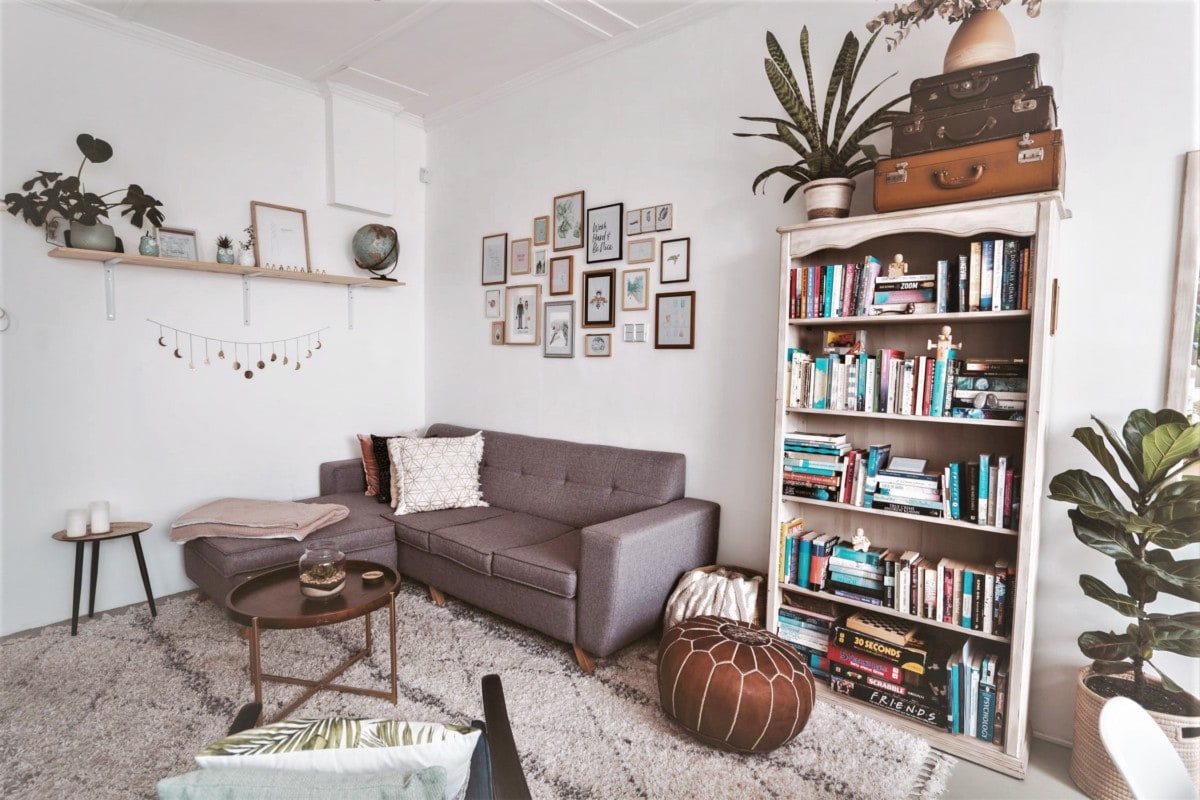
A house is more than just a place to sleep, eat, and store your belongings. It’s a sanctuary, a reflection of your personality, and a space that nurtures your well-being. However, many people live in houses that are functional but lack the warmth and character that truly make them feel like “home. ” The distinction between a house and a home lies in the way it’s personalized and the atmosphere you create. Making your house a home doesn’t require drastic changes Gaslucht in huis wie bellen ; it’s about infusing your space with warmth, style, and comfort. Here’s how you can turn your house into a home that feels uniquely yours.
1. Infuse Personality with Decor
The simplest and most immediate way to make your house feel more like a home is through decor. Decor is a reflection of your tastes, hobbies, and experiences, and it sets the tone for the entire space. Begin by choosing pieces that resonate with you emotionally. Whether it’s artwork, family photos, or unique trinkets collected during travels, these personal items instantly make your space feel more lived-in and loved. Incorporate colors, textures, and styles that make you feel comfortable, relaxed, and inspired.
Consider mixing different elements — a traditional rug can blend seamlessly with modern furniture, or an antique mirror can add a sense of history to a contemporary setting. Layering different textures through throws, cushions, and curtains also adds depth and a sense of comfort to any room.
2. Bring Nature Indoors
One of the best ways to breathe life into your home is by introducing elements of nature. Plants have the unique ability to purify the air, brighten up spaces, and bring a sense of calm. Whether it’s a towering indoor plant like a fiddle-leaf fig or a collection of small succulents, plants can add both beauty and serenity to your space. The greenery will soften the lines of modern furniture, making your home feel warmer and more inviting.
Besides plants, natural materials such as wood, stone, and wool can help create a cozy, earthy vibe. Wooden floors, stone countertops, and woolen rugs bring nature indoors, helping your space feel grounded and connected to the earth.
3. Create Cozy Zones
In a house, there are usually multiple areas designated for different activities. However, in a home, the spaces should feel flexible and inviting. One of the best ways to create that sense of warmth is by carving out cozy zones where you can unwind and enjoy time by yourself or with family and friends. Consider a reading nook by the window with comfortable seating and soft lighting, or a meditation corner with calming decor.
To make these zones more inviting, use elements like soft lighting, plush cushions, and a variety of textiles that encourage relaxation. A well-placed lamp or a scented candle can transform a simple corner into a peaceful retreat.
4. Personalize with Meaningful Objects
Your home should be an embodiment of your journey and experiences. One way to add depth and personality to your space is by incorporating meaningful objects. These could include heirlooms, handmade pieces, or items that tell a story. For instance, a painting that reminds you of a special trip, or a vintage table passed down through generations, gives your space a unique character.
Personalizing with objects that are significant to you helps foster a sense of attachment to the space. It’s no longer just an empty room; it’s a place filled with memories and meaning. Over time, these items accumulate and tell the story of your life, making your house feel truly like home.
5. Pay Attention to Lighting
Lighting plays a huge role in setting the mood and feel of your space. Harsh, fluorescent lighting can make a room feel sterile and cold, while warm, ambient lighting creates a cozy, welcoming atmosphere. Make sure to have a variety of lighting sources in each room: overhead lights, table lamps, floor lamps, and even candles.
For living rooms, try using dimmer switches to adjust the light level according to the time of day. In the kitchen, task lighting over work areas helps with functionality, but soft lighting around the dining area creates a relaxed ambiance. Don’t forget about natural light — keeping your windows unobstructed allows the sun to fill your home with energy and warmth.
6. Comfort is Key
While aesthetics are important, comfort should be the cornerstone of your home. A comfortable home invites relaxation and helps you unwind after a long day. Start with soft furniture like plush sofas, overstuffed chairs, and cozy bedding. Textures like velvet, cotton, or linen will provide tactile comfort.
The temperature of your home also plays a huge part in how comfortable it feels. Ensure your home is well-ventilated and has proper insulation to maintain a comfortable climate year-round. Adding layers, such as cozy throws and pillows, can make your living spaces feel warm and inviting.
7. Create a sense of Continuity
To truly make a house feel like home, there should be a sense of continuity and flow between rooms. This doesn’t mean everything should look the same, but there should be a consistent theme that ties different spaces together. You can achieve this by repeating colors, materials, or styles throughout the house. For instance, you might use the same shade of wood for furniture in the living room, dining area, and hallway. Alternatively, a particular accent color could appear in different rooms, helping the spaces feel cohesive.
8. Incorporate Sentimentality and Nostalgia
A home is more than just a physical space; it’s where emotions are rooted. Whether it’s through old photographs, keepsakes from a memorable trip, or items that hold sentimental value, incorporating nostalgia into your space makes it feel uniquely yours. These items act as reminders of the moments that matter most, turning your house into a place of love and connection.
Conclusion
Making your house a home doesn’t require grand gestures or a large budget. It’s about paying attention to the small details, from the decor and layout to the lighting and textures. By adding personal touches, creating cozy spaces, and filling your home with meaning, you’ll transform any house into a space that feels like an extension of yourself. The heart of a home lies in the atmosphere and the memories it holds. Ultimately, a house becomes a home when it reflects your personality and offers a comforting, inviting space to live, relax, and grow.
